
Colonel Nathaniel and Margaret Jane (Jenny) Peale Ramsey
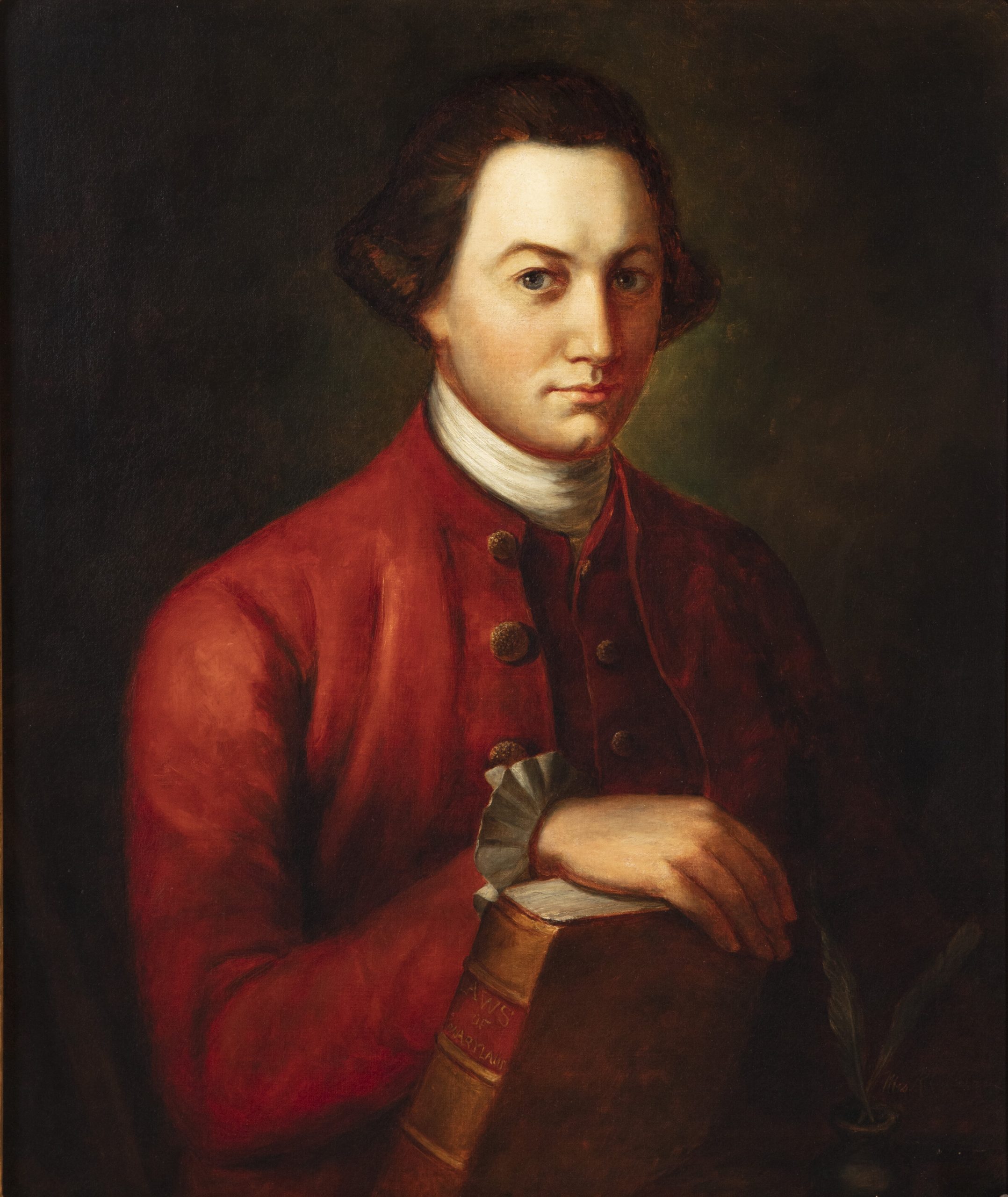
Nathaniel Ramsey was born in Lancaster, PA. He moved to Charlestown, Maryland in 1767 to practice law. He married Margaret Jane Peale in 1771. Margaret Jane Peale was the sister of Charles Willson Peale, the famed portrait artist who captured the likenesses of many crucial historical figures. Margaret Jane, often called “Jenny,” was born in 1743 in Chestertown, Maryland.
On January 2, 1776, Ramsey enlisted in the Continental Army, and was given a commission as a captain in the 5th Company of Colonel William Smallwood’s battalion. Ramsey’s company was stationed in Baltimore until it received orders to go to New York to assist the Continental Army in the summer of 1776.
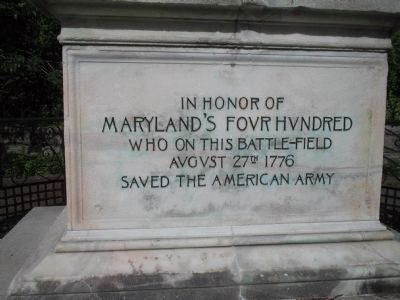
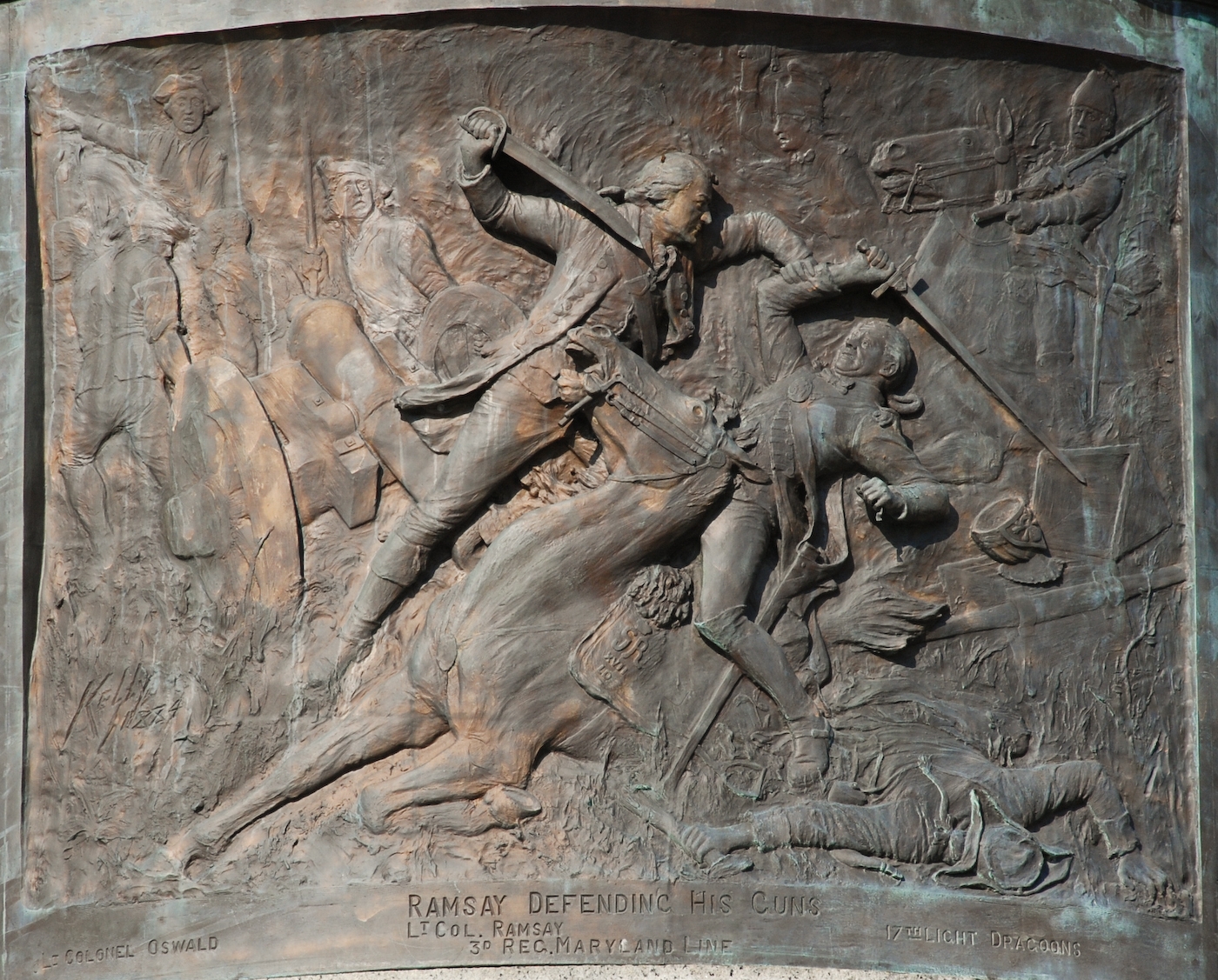
A few weeks after their arrival, the Battle of Brooklyn took place on August 27, 1776. The battle was a disaster for the army. According to the Maryland State Archives, “The Continental Army and George Washington himself faced annihilation as a result of the situation on the battlefield. They were saved, however, by the courage of a group of soldiers who came to be known as the Maryland 400. In the midst of the frenzied retreat, the Maryland 400 launched a daring counterattack and held off the British long enough for Washington and his army to escape. Two hundred and fifty-six Maryland soldiers were either killed or captured as a result of their bravery.”
Also, “Ramsey and his company were relatively unscathed during the fighting. Still, their retreat through the swampy Gowanus Creek under heavy fire, was a harrowing one. Many men drowned while crossing the marsh, but Ramsey had a lucky advantage: he was six feet three inches tall, among the tallest men on the battlefield. As he recounted, “My height was of use to me, as I touched [the bottom] almost all the way” across the creek, though according to Peale, Ramsey “was obliged to hold up his chin to keep the water from running into his mouth.” A few weeks earlier, Peale had teased his brother-in-law about his height, “remark[ing] that his heigth was much against him, being a fine Mark for a shot…but it so turned out that his heigth had saved him.”
When Margaret Jane Ramsey heard of the disastrous Battle of Brooklyn, she “could no longer bear the anxiety of her husband being in such peril so far away. She decided to “be with the army whatever might be her suffering, than be at a distance and so much tormented, for if she was near the army in case of misfortunes she possibly might be aiding to help those most dear to her.”
In September of 1776, Margaret Jane began following the Continental Army. She traveled behind the army, in her own carriage, and when possible found lodging with families living near the army’s camp. This was helpful for the families. Because she was an officer’s wife, she could help protect them from plundering and destruction.
In 1777, Ramsey’s regiment fought at the Battles of Brandywine and Germantown. That winter, he and his wife went into winter quarters at Valley Forge, until Ramsey and his men were ordered to Wilmington, Delaware later that winter.
The next year, Ramsey led the Third Regiment of Maryland at the Battle of Monmouth. The regiment fought bravely and considered the battle a win, but unfortunately Ramsey was injured and captured.
According to the Maryland State Archives, a legend surrounds his capture. Legend has it that “a British soldier found Ramsey on the battlefield and decided not to bayonet him after noticing his Masonic ring. After recovering from his injuries, Ramsey was sent to Long Island, where captive American officers were held.”
His captivity was not harsh, compared with other soldiers. Margaret Jane was permitted to accompany him to New York, and the couple bought a house! Maryland State Archives states, “Ramsey was also able to bring some of his slaves with him, including one unnamed woman who Ramsey said he had “not the most distant idea of parting with [since] I bought her not to sell, but for my own use … for a kitchen wench.”
George Washington arranged an exchange, and Ramsey was released in November of 1780. He never returned to active duty. He became one of Maryland’s commissioners of confiscated British property on February 22, 1781. On September 13, 1784, he resigned this post and served as a member of the House of Delegates for Maryland in 1785. He also served as a justice for Cecil County, and as a justice of the peace from 1785 – 1789. In 1789, George Washington appointed him a U.S. Marshall for Maryland. In 1794, Ramsey was appointed a naval officer for the district of Baltimore. He served as a naval officer for the rest of his life.
In March of 1786, Ramsey bought a tract of land called Carpenter’s Point on the eastern side of the Chesapeake Bay in Cecil County. There, he established a very successful fishery known for its bountiful supply of shad, herring, and ducks. By 1790, he owned twenty-six slaves. In 1788, Margaret Jane Peale died of unknown causes at Carpenter’s Point at the age of forty-five. Nathaniel Ramsey passed away on October 24. 1817.
https://msa.maryland.gov/megafile/msa/speccol/sc3500/sc3520/001000/001029/html/01029bio.html